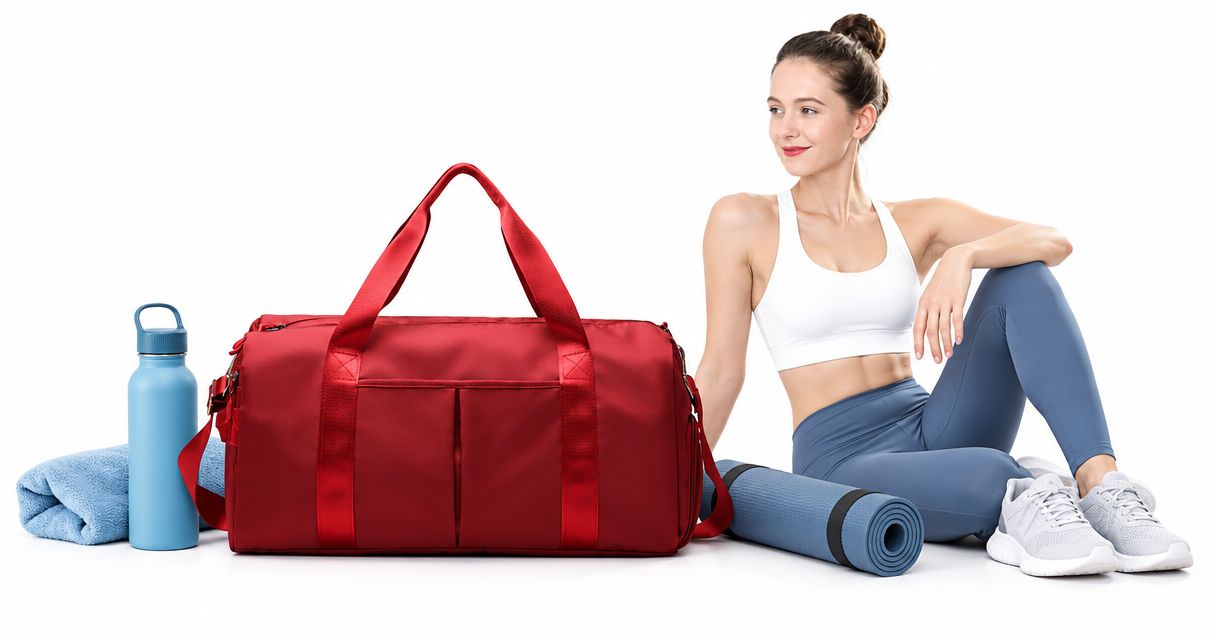
Choose the smallest gym duffel bag that holds your actual workout kit, closes without forcing the zipper, and fits the space where you carry or store it. Include your shoes, towel, and change of clothes before deciding, rather than judging size from a product photo. A shoe compartment helps separate items, but it does not replace checking the bag’s usable space.
- Choose a gym duffel bag around your packed workout kit, not a size label or product photo.
- Check shoe storage, the main compartment, and locker fit before choosing a size.
- Athleticsforhealth lists gym bags for workout and travel routines; compare the stated features against your packing needs.
- Waterproof wording does not establish zipper protection or suitability for carrying wet swimwear.
Why this matters
A bag that fits your clothes but leaves your shoes outside has not solved your packing problem. A larger bag creates a different trade-off: more room to pack, but more bulk to carry and store. Choose around your regular routine, not every possible trip.
For your 2026 buying checklist, start with what travels to the gym with you. Then compare the listed features at Athleticsforhealth against that kit. A useful compartment matters more than a size label that tells you nothing about where your belongings fit.
How do you choose the right gym duffel bag size?
Choose your gym duffel bag size by packing your normal kit, measuring its space requirements, and checking those requirements against the bag’s listed dimensions and compartment layout. Repeat the check with the extra items you regularly carry, such as swimming gear or clothes for after work.
Start with your real packing list
Lay out everything you intend to carry on a normal visit. Include the items that are easy to forget when browsing: toiletries, a towel, footwear, and clothes for the trip home. Leave occasional travel items out unless the same bag genuinely needs to handle them.
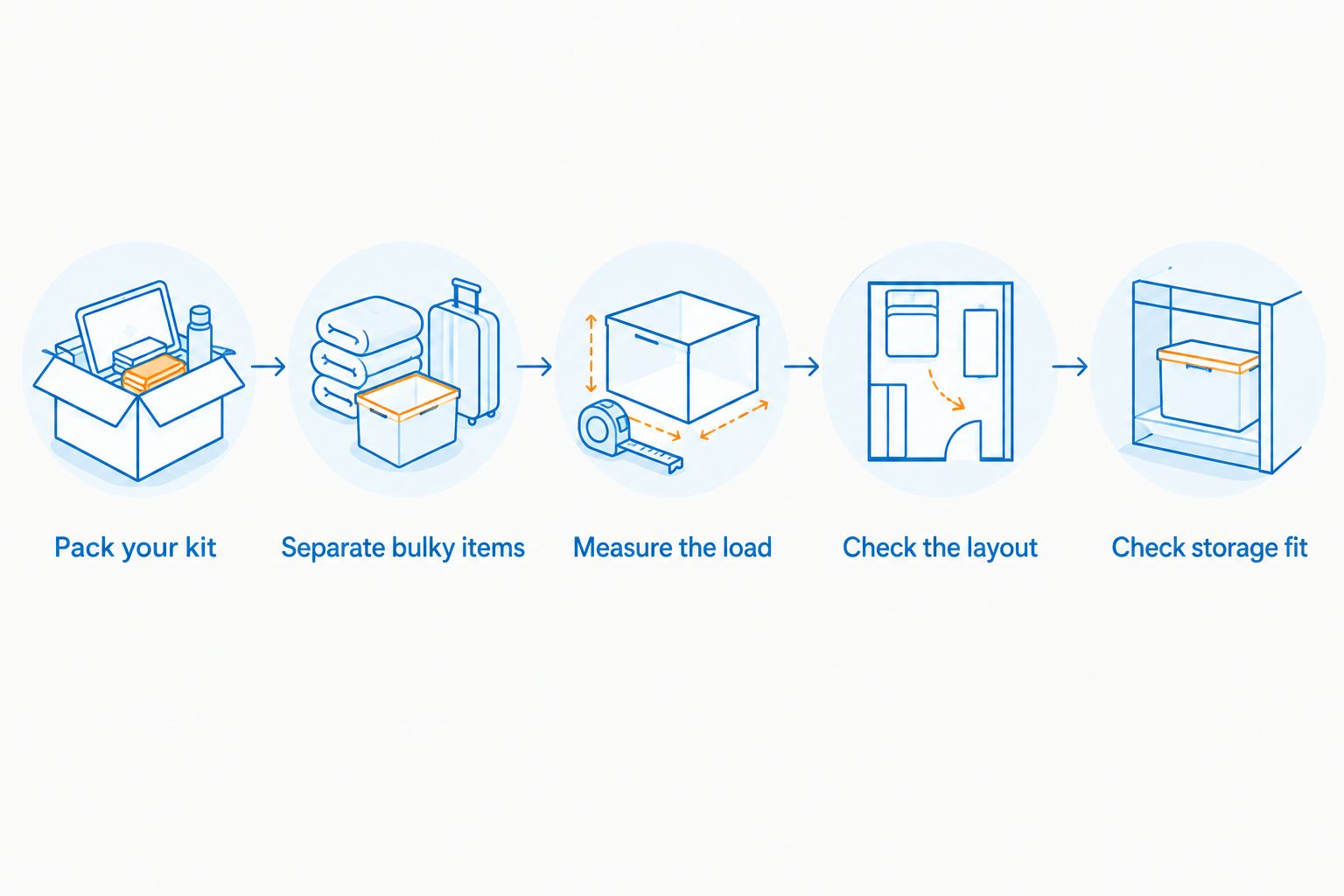
Use this sequence before you compare bags:
- Pack your kit. Gather your regular workout belongings, including shoes if you change at the gym.
- Separate bulky items. Keep shoes, your towel, and clothing bundles visible so you can judge their shape.
- Measure the load. Arrange the kit in a box or a bag you already own and record the space it occupies.
- Check the layout. Compare the main compartment and separate pockets with the items assigned to each.
- Check storage fit. Measure the locker opening, shelf, or other space the loaded bag must enter.
The box test is a planning aid, not a guarantee of fit. Soft bags have seams, curved ends, and openings that affect how easily you can pack them. Check the opening as well as the outside dimensions.
Read dimensions without mistaking them for capacity
Compare measurements in the same units. One inch equals 2.54 centimeters, so an inch-based locker measurement and a centimeter-based bag listing need conversion before comparison. Check which measurement is length, width, and height rather than assuming the listing uses your preferred order.
One liter equals 1,000 cubic centimeters. Multiplying a rectangular container’s internal length, width, and height in centimeters gives its volume in cubic centimeters; dividing by 1,000 converts that figure to liters. Do not treat a duffel’s external dimensions as its usable capacity. Curved sides, fabric construction, and compartments make that shortcut unsuitable for confirming what fits inside.
Use a stated capacity as a comparison point, then return to the actual dimensions and layout. For a 2026 purchase, the current listing’s measurements are more useful than an unsupported small, medium, or large label.
Which size approach fits your workout routine?
The right size depends on what you carry together. A clothes-only load and a load with shoes need different packing checks, even if both trips last the same amount of time. Choose the row that matches your regular routine, then measure that kit.
| Routine | Best for | What to include in the fit check | Benefit | Limitation |
|---|---|---|---|---|
| Essentials-only packing | Exercisers who arrive dressed and carry little extra | Personal items and any workout accessories | Avoids choosing space for items you do not carry | Leaves less flexibility for extra clothes or a towel |
| Clothes and shoes | Exercisers who change at the gym | Footwear, folded clothing, and toiletries | Lets you plan around the bulkiest everyday items | Shoe storage needs its own fit check |
| Swimming and showering | Exercisers carrying pool or shower supplies | Swimwear, towel, footwear, and toiletries | Makes the whole routine part of the sizing decision | A waterproof description alone does not confirm wet-item containment |
| Gym and short travel | Exercisers who want one bag for both uses | Workout kit plus the clothing carried on actual trips | Reduces the need to choose separate bags for those routines | Travel space adds bulk to everyday gym trips |
Essentials-only packing: choose for the smallest regular load
Best for: exercisers who arrive ready to train and do not change afterward. Start with your personal belongings and the accessories you actually use. Do not add a large clothing allowance simply because a bag is described as suitable for travel.
The benefit is a focused packing decision. The limitation appears when your routine changes: adding shoes, a towel, or a full change of clothes changes the load you need to accommodate. Check that expanded kit before buying for both routines.
Clothes and shoes: check both compartments
Best for: exercisers who change footwear and clothing at the gym. Pack your shoes as a pair, then check how the remaining clothes and toiletries fit. A shoe pocket is useful for separation, but confirm its dimensions rather than assuming your footwear fits.
Also check how that pocket sits inside the bag. If it extends into the main compartment, account for the space it occupies when filled. More pockets do not automatically mean more usable room for clothing.
Swimming and showering: size around the return trip
Best for: exercisers who carry a towel, swimwear, and shower supplies. Include all of those items in the initial fit check. Then decide how you will pack them after use, rather than planning only for clean, folded belongings.
Do not use waterproof wording as proof that a bag contains moisture from wet items. Check the stated compartment features and care instructions. If you use a separate container for wet belongings, include that container in your measured load.
Gym and short travel: test both loads separately
Best for: exercisers who regularly use the same bag for workouts and short trips. Make a gym packing list and a travel packing list, then compare them independently. Choose around the larger load only if carrying that bag on ordinary gym days still suits you.
The advantage is using one bag for both purposes. The compromise is carrying travel-sized bulk when your gym kit needs less space. A travel description does not establish airline baggage acceptance; check the relevant carrier’s current rules separately.
Why gym duffel bag size needs vary
Your bag needs change with the belongings you carry, not just the activity named on the listing. Use these factors to explain why one gym bag suits your routine better than another:
- Footwear: Carrying shoes adds a separate item whose shape and dimensions need checking.
- Clothing changes: Arriving dressed for exercise creates a different load from changing before and after your session.
- Towels and swimwear: Pool and shower routines add items that need room on both the outward and return trips.
- Toiletries: Include the actual pouch or container you use, not just its individual contents.
- Compartment layout: A shoe pocket separates belongings, but its position affects how you pack the main compartment.
- Short travel: Weekend belongings change the size decision if the same bag serves both purposes.
For your 2026 shortlist, mark each factor as part of your regular routine or an occasional exception. That distinction stops an infrequent trip from controlling your everyday purchase. It also makes the trade-off clear when you deliberately choose a larger bag.
Which listed gym bags match these packing needs?
Athleticsforhealth’s gym bag listings are best for everyday exercisers comparing workout and short-travel packing needs. The supplied descriptions identify different materials and intended uses, so start there. Neither description establishes that a particular load fits; compare your measurements with the current listing before choosing.
| Product | Best for | Stated features | Useful feature or purpose | What to check before choosing |
|---|---|---|---|---|
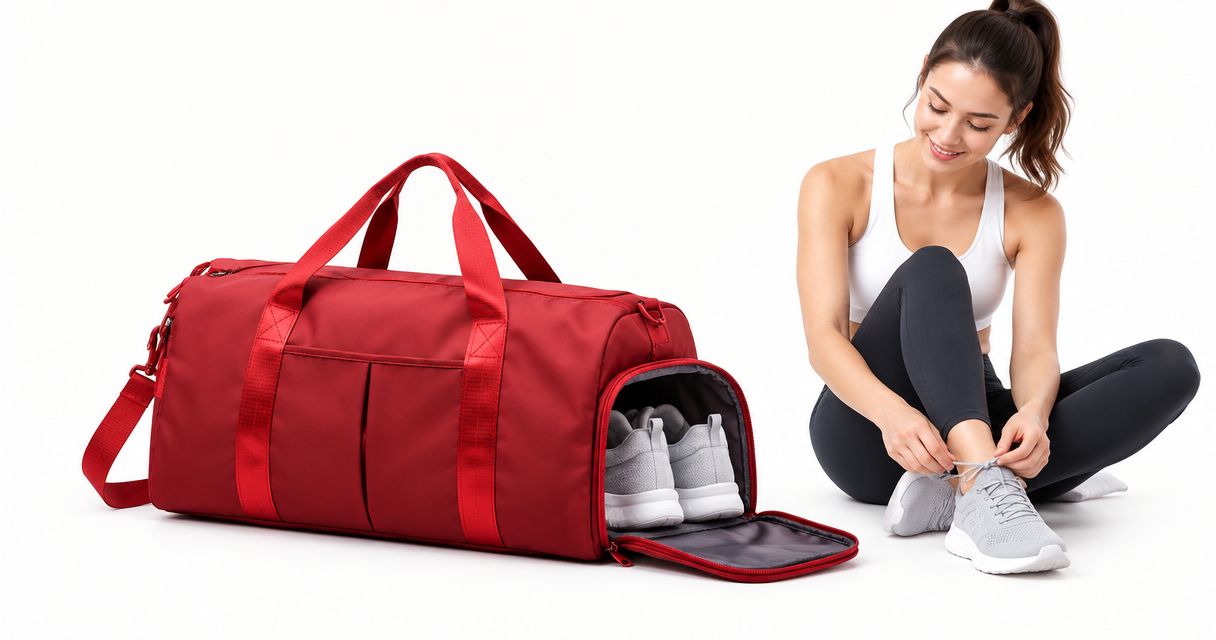
| Waterproof Gym Bag with Shoe Pocket | Exercisers who want separate shoe storage | Waterproof nylon and a separate shoe pocket | Gives footwear a separate packing location | Shoe-pocket dimensions, main-compartment space, and closure details |
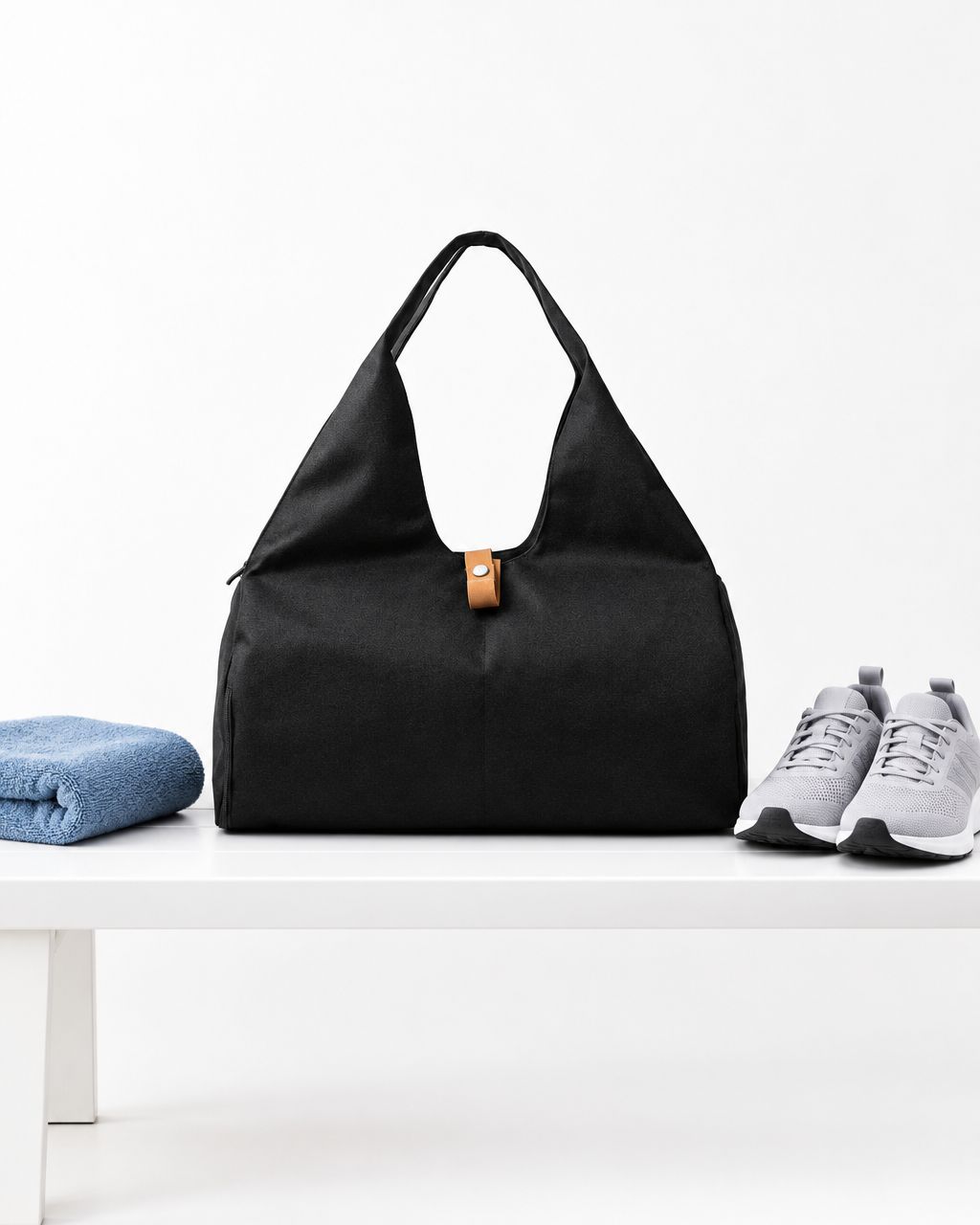
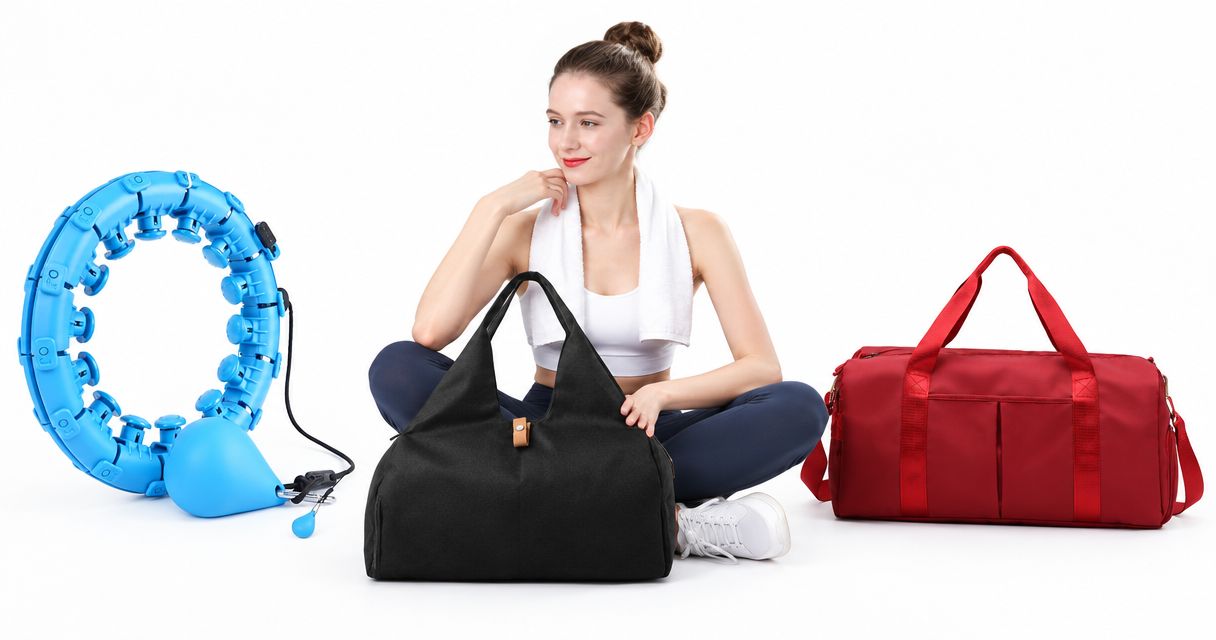
| Waterproof Gym & Travel Duffel Bag | Exercisers comparing gym, swimming, and short-travel uses | Oxford cloth construction; described for workouts and weekend getaways | Matches a broader packing routine | Overall dimensions, compartment layout, and the stated scope of waterproof protection |
The first bag’s shoe pocket is a practical distinction if you change footwear. Its limitation for a size decision is that the feature name alone does not tell you whether your shoes and clothes fit together.
The second bag is described for gym trips, swimming, and short travel. That makes it relevant to a mixed routine, but the use description does not establish usable capacity or wet-item separation. Choose the feature you need, then confirm the fit.


Is a bigger gym duffel bag always better?
A bigger gym duffel bag is better only when you regularly need the extra space. It also brings more bulk into your commute and storage space. Choose it for a real packing requirement, not as a substitute for checking the compartment layout.
If your normal kit fits comfortably in a smaller option, compare the larger bag against your occasional needs. Decide whether those exceptions justify carrying the extra size on ordinary visits.
Does a shoe pocket mean you need a larger bag?
A shoe pocket does not automatically mean you need a larger gym bag. You need enough space for your shoes in that pocket and enough remaining room for everything else. Check both requirements together.
Compare bags with the same load rather than assuming a separate compartment adds capacity. The pocket’s benefit is separation; the overall fit still depends on its dimensions and construction.
Can one duffel work for the gym and weekend travel?
One duffel can serve gym and weekend packing when both loads fit and the bag remains practical to carry. Test your actual travel belongings rather than interpreting a weekender description as a size guarantee. Also check any transport restrictions separately.
For 2026 travel planning, use current carrier requirements and the bag’s listed dimensions. A bag’s suitability for your workout kit does not answer whether it meets a particular baggage rule.
FAQ
What’s the best gym duffel bag size for everyday workouts?
The best gym duffel bag size is the smallest option that holds your regular kit without forcing the closure. Include shoes, clothes, toiletries, and a towel if you actually carry them, then check the listed dimensions and layout.
How do I know whether my shoes fit in a gym bag?
Compare your shoes with the shoe compartment’s stated dimensions, including its opening. A shoe-pocket label alone does not confirm fit or show how much main-compartment space remains when it is filled.
Is a waterproof gym bag suitable for wet swimwear?
Waterproof wording alone does not establish that a gym bag contains moisture from wet swimwear. Check the stated compartment construction and care instructions, and include any separate wet-item container in your packing test.
Should I choose a gym bag by liters or dimensions?
Use both when both are provided, but check dimensions and layout against your actual belongings. A capacity figure does not establish whether your shoes fit through an opening or whether the bag fits your locker.
Will a gym duffel bag fit in my locker?
Confirm locker fit by comparing the bag’s loaded dimensions with the locker opening and usable interior. Check the opening separately rather than relying only on the space inside.
Which Athleticsforhealth gym bag has a shoe pocket?
The Waterproof Gym Bag with Shoe Pocket is explicitly listed with separate shoe storage. Check the current listing for measurements before choosing it for your footwear and clothing load.
What should I check before buying a gym bag in 2026?
Check the current dimensions, compartment descriptions, material details, and care instructions before buying a gym bag in 2026. Compare those details with your packed kit rather than relying on product photos or size labels.
One last thing
Test the trip home, not just the trip to the gym. Repack your belongings as you will after exercising, including the containers you use for worn clothing or wet items. Your buying decision should account for that arrangement, not only a neatly folded starting load.
If the fit works only when everything is carefully compressed, reconsider the size or layout. Choose a bag that supports your routine without making ordinary packing a puzzle.