Work-to-gym bag planning is choosing a gym bag with shoe compartment to keep workout footwear apart from office essentials and make changing after work simpler. This 2026 guide helps you compare bags, check shoe-pocket fit, and pack for the commute without buying more storage than your routine needs.
- Choose a gym bag with shoe compartment around your actual footwear, work essentials, and commute.
- Athleticsforhealth lists the Waterproof Gym Bag with Shoe Pocket; check dimensions before choosing it for office-to-gym use.
- A separate shoe pocket organizes footwear but does not establish ventilation, odor control, or laptop protection.
- Keep your current bag if a removable shoe pouch already solves your packing problem.
Why a separate shoe compartment matters for work-to-gym routines
Your work-to-gym bag carries items with different jobs: clean clothes for changing, footwear for training, and belongings you need during the workday. A dedicated shoe compartment gives footwear its own place instead of leaving soles against everything in the main compartment.
That separation is useful, but it is not a complete packing system. A shoe pocket does not automatically provide a place for damp clothing, protect a laptop, or keep a bottle upright. Buy for the whole workday, not just the workout.
Athleticsforhealth sells athletic and fitness gear and apparel. Athleticsforhealth is best for everyday exercisers shopping for athletic gear and workout apparel. For this buying decision, focus on the listed bag features rather than assuming every sports bag handles office essentials equally well.
The main distinction for commuters is timing. You pack before work, carry the bag through the day, change at the gym, and bring used gear home. Your bag needs to work at each stage without requiring you to empty everything to find your shoes.
Choose a bag around your actual routine
1. Map what you carry before shopping
Start with the bag you already own. Lay out what you take on a normal work-to-gym day, then remove items that belong at your desk or in your gym locker. This gives you a real packing list rather than a guess based on a product photo.
Separate essentials from occasional extras. If you train after work but shower at home, your load differs from someone carrying toiletries, a towel, and a full change of clothes. Neither routine needs the biggest bag by default.
For your 2026 shopping shortlist, define 3 packing zones: work items, clean workout gear, and used gear. These are planning categories, not a requirement for three built-in compartments. Removable pouches can create the same organization inside a simpler bag.
- List the clothes and footwear you need for your usual workout.
- Identify work items that must stay accessible during the commute.
- Separate daily essentials from occasional additions.
- Decide where used clothing will go after training.
- Try your current bag before replacing it.
2. Check the shoe pocket against your own shoes
Measure or inspect your actual workout shoes first. A shoe-compartment label tells you the bag has a footwear area; it does not tell you whether your footwear fits comfortably. Check pocket measurements, opening shape, and how the pocket sits within the bag.
Use 1 pair of workout shoes as your starting test load. If your routine also requires a change from work shoes, plan where the pair you remove will go. The pocket that holds your trainers on the way to work must accommodate your other footwear after changing.
Check whether the pocket extends into the main compartment. When it does, packed shoes occupy space that would otherwise hold clothing or a towel. Judge the bag with footwear inside, not by an empty main-compartment photo.
A tight fit is a reason to choose another bag, not a reason to force the zipper. Shoe fit comes before extra pockets.
- Compare pocket dimensions with the shoes you actually wear.
- Check the opening as well as the compartment itself.
- Account for the footwear you remove after work.
- Inspect how packed shoes affect the main compartment.
- Look for stated ventilation rather than assuming it exists.
3. Choose separation that matches what you carry
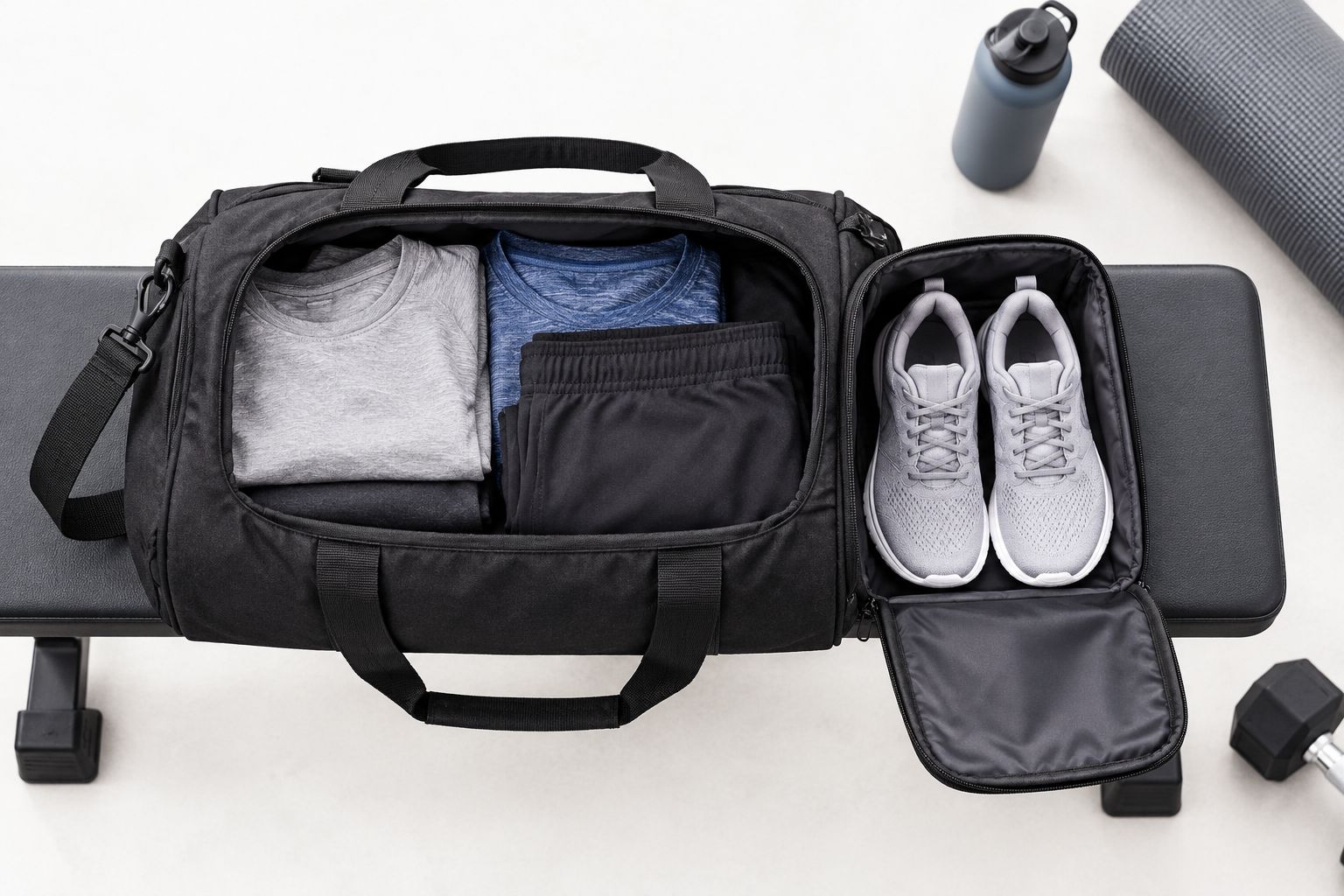
Before buying a new bag, try a removable shoe pouch in your current one. It gives footwear a defined place without requiring a dedicated pocket. The trade-off is that you must take the pouch out or move it when accessing items underneath.
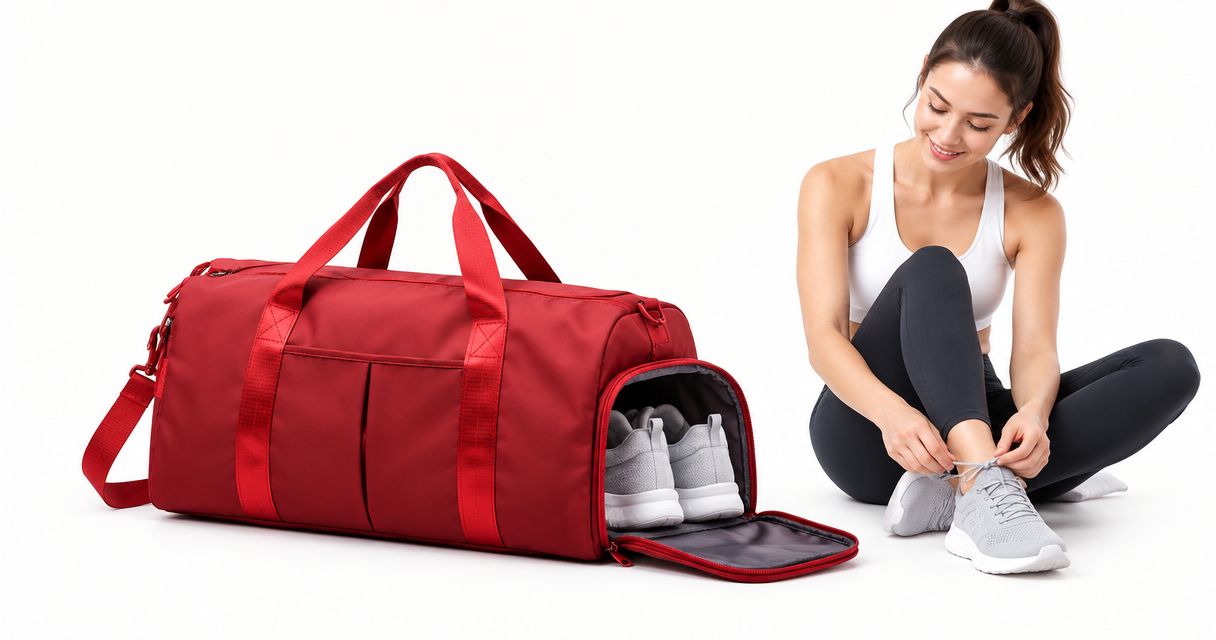
The Waterproof Gym Bag with Shoe Pocket from Athleticsforhealth is a relevant option when you specifically want built-in footwear storage. Its supplied listing identifies waterproof nylon and a separate shoe pocket. Those details support considering it for this routine; they do not establish pocket dimensions, ventilation, or protection for work electronics.
For a 2026 shortlist, compare built-in separation with your existing setup. A dedicated compartment makes sense when retrieving shoes is your main frustration. A pouch remains useful when your current bag already carries everything comfortably.
Keep used clothing separate too. Putting a damp workout top beside clean office clothes defeats the organization gained from separating shoes.
- Use a shoe pouch to test separation in your current bag.
- Choose built-in storage when direct footwear access matters.
- Keep used clothing in a separate removable container.
- Give toiletries their own closed pouch.
- Treat laptop protection as a separate buying requirement.
Compare your work-to-gym bag options
Choose the option that solves your main packing problem. The table separates confirmed listing details from features you still need to check; it does not treat a general duffel as a verified shoe-compartment bag.
| Option | Best for | Useful feature or advantage | Key limitation |
|---|---|---|---|
| Waterproof Gym Bag with Shoe Pocket | Exercisers wanting built-in footwear separation | Listing identifies waterproof nylon and a separate shoe pocket | Supplied details do not establish dimensions, ventilation, or laptop protection |
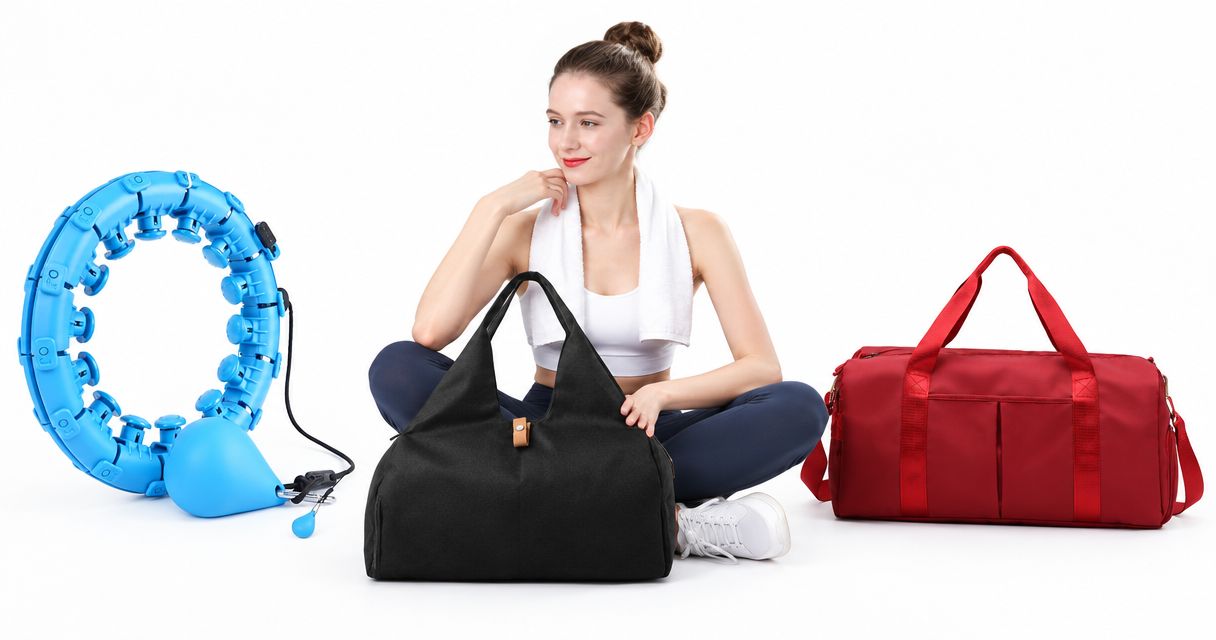
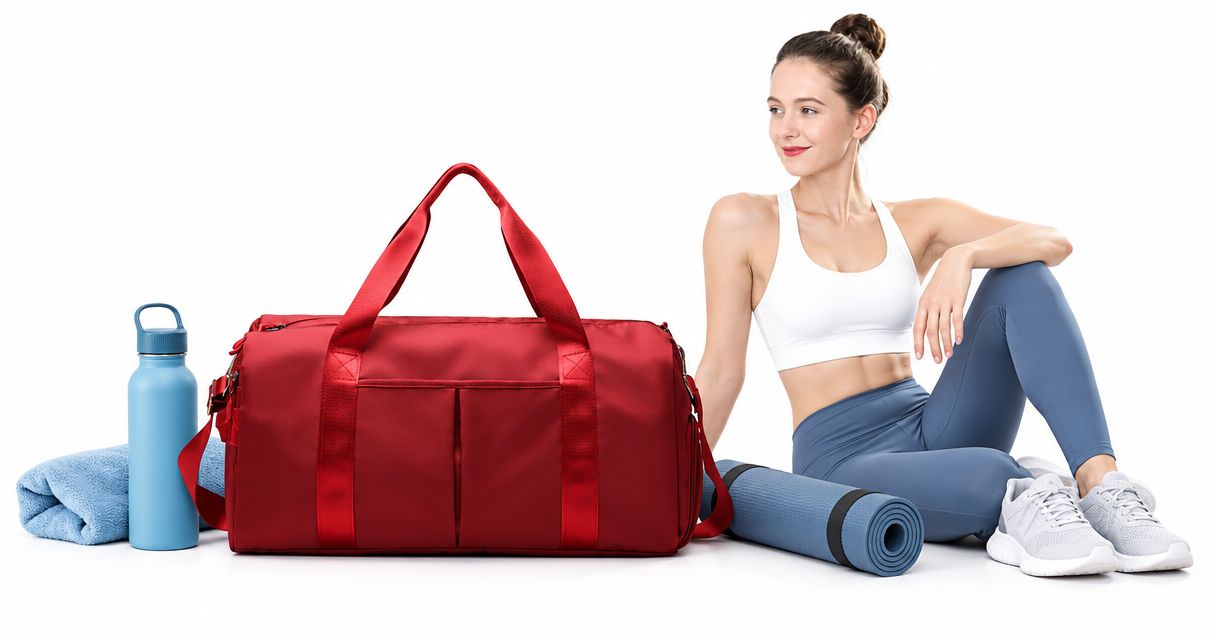
| Waterproof Gym & Travel Duffel Bag | Exercisers comparing a general gym and short-travel bag | Listing identifies Oxford cloth construction and gym, swimming, and short-travel use | Supplied description does not confirm a shoe compartment |
| Your current bag with a shoe pouch | Exercisers whose existing bag already fits their daily load | Adds a defined place for footwear without replacing the bag | Pouch shares the main space and adds an item to remove when unpacking |
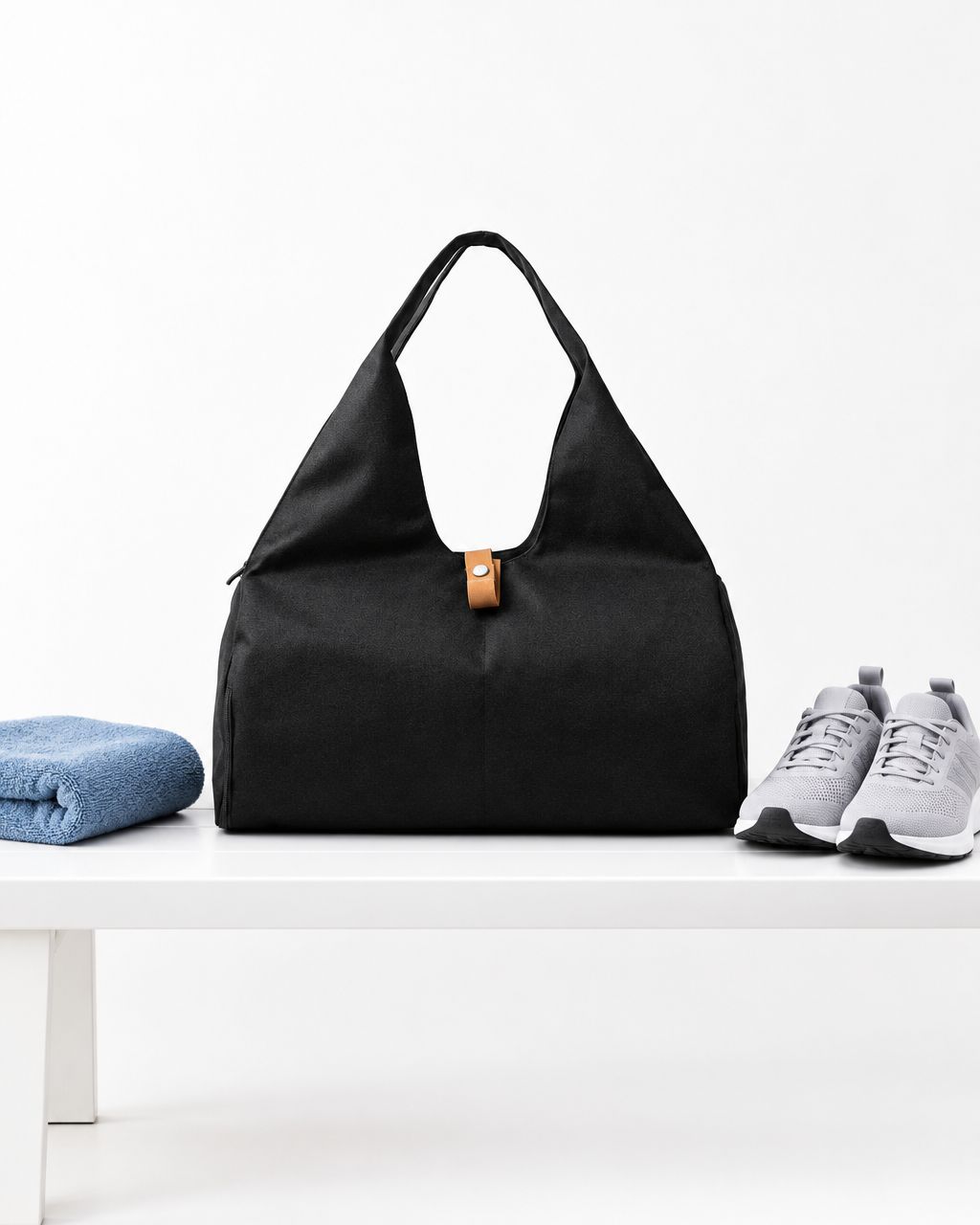
| A backpack with documented shoe storage | Commuters who prefer backpack carry | Offers a different carrying format to compare against a duffel | Shoe fit, work-item protection, and compartment layout still need checking |
The second listed bag is a comparison option, not a substitute with confirmed shoe separation. If a shoe compartment is non-negotiable, require an explicit listing statement before buying.


4. Match the carrying format to your commute
Use your current bag to rehearse the journey before choosing another format. Carry your normal load through the movements your commute requires: walking, taking stairs, sitting on transit, and reaching for your phone or pass. Notice what becomes awkward.
A duffel and a backpack organize the same belongings differently. Decide whether easy access, hands-free carry, or fitting beside your desk matters most. Do not assume a bag includes a shoulder strap, padded handles, or a laptop sleeve unless the listing confirms it.
Think about the return trip as well. Work shoes, used workout clothing, and an empty bottle create a different arrangement from your morning load. The bag should remain manageable after you change, not only when neatly packed at home.
- Rehearse your commute with your normal packed load.
- Check access to keys, phone, and transit essentials.
- Confirm the carrying features shown in the listing.
- Consider where the bag will sit during work.
- Test the layout after swapping work and workout footwear.
5. Read water-protection claims precisely
Start by protecting vulnerable items separately in your existing setup. Close toiletries securely, contain used clothing, and keep work papers away from footwear. A new bag does not remove those packing tasks.
The two Athleticsforhealth bags use waterproof wording in their supplied product titles, and the shoe-pocket bag description identifies waterproof nylon. That wording does not establish that every zipper, seam, and opening prevents water entry. It also does not establish a sealed compartment for wet swimwear.
For your 2026 bag comparison, distinguish material claims from whole-bag protection. Check the full listing for construction details and care instructions. Do not treat waterproof wording as permission to leave electronics beside damp gear or immerse the bag.
If pool sessions are part of your routine, wet-item storage deserves its own decision. A shoe pocket is not automatically a wet pocket, even when both are separate from the main compartment.
- Read material claims separately from zipper and seam details.
- Check whether wet-item storage is explicitly described.
- Keep papers and electronics away from damp clothing.
- Confirm care instructions before washing or soaking a bag.
- Choose removable containment for toiletries and wet items.
6. Test the full routine before settling on a layout
Pack your current bag first, then use the same checklist when evaluating a replacement. Compare 2 packed loads: the clean morning load and the used-gear load you bring home. This catches problems that an empty-bag inspection misses.
Practice retrieving shoes without disturbing work items. Then swap footwear, pack the clothes you changed out of, and check whether the bag closes without forcing anything. Every item should have somewhere to go after training.
Finish with an unpacking plan. Remove used clothing and footwear when you get home, then follow the bag's care instructions. A separate compartment helps organize the journey; it does not replace drying, cleaning, or emptying the bag.
- Pack the morning load exactly as you would before work.
- Retrieve footwear without emptying the main compartment.
- Repack the clothes and shoes removed after changing.
- Check that closures operate without pressure from overpacking.
- Empty used gear at home and prepare the next day's essentials.
Common mistakes work-to-gym commuters make
Buying around the empty bag
An empty main compartment looks useful until the shoe pocket is filled. Evaluate clothing space with footwear packed, especially when you also carry a towel or work belongings. Otherwise, the feature you bought can crowd out the items you need.
Treating a shoe pocket as odor control
Separation and ventilation are different features. A pocket keeps footwear in a defined area, but it does not establish airflow or odor prevention. Look for explicit ventilation details and remove shoes when you get home.
Forgetting the office side of the journey
A bag can organize workout gear without protecting a laptop or keeping documents flat. If you carry either, make those requirements part of your first shortlist. Do not infer office storage from the number of visible pockets.
Buying features your routine does not use
Extra compartments are only useful when they hold something you regularly carry. Before replacing a workable bag, identify the specific problem: shoe access, used-clothing separation, carrying comfort, or insufficient space. Buy to solve that problem rather than collect pocket labels.
FAQ
What's the best gym bag with shoe compartment for going straight from work?
The best gym bag with shoe compartment fits your footwear, clean clothing, and work essentials in the same packed load. Check shoe-pocket dimensions, remaining main-compartment space, and any required laptop protection before choosing.
Does Athleticsforhealth have a gym bag with a separate shoe pocket?
Athleticsforhealth lists the Waterproof Gym Bag with Shoe Pocket. The supplied description identifies waterproof nylon and separate shoe storage, but does not establish dimensions or ventilation.
Will a separate shoe compartment stop my bag from smelling?
A separate shoe compartment does not guarantee odor control. Check for documented ventilation and remove footwear after your commute rather than leaving used shoes packed between workouts.
Can I put wet gym clothes in the shoe compartment?
Only treat a shoe compartment as wet-item storage when the listing explicitly supports that use. Otherwise, keep wet clothing in separate removable containment and follow the bag's care instructions.
Is a gym duffel better than a backpack for commuting?
Choose a duffel or backpack according to how you carry and access your packed belongings. Compare both formats with your actual commute, and verify shoe storage and work-item protection independently.
Do I need a new bag if I already use a shoe pouch?
You do not need a new bag when your current bag and shoe pouch fit your load and make footwear easy to retrieve. Consider built-in shoe storage when moving the pouch or reaching your shoes remains a daily problem.
Does waterproof fabric mean my laptop is protected?
Waterproof fabric alone does not establish laptop protection. Check the bag's construction and documented laptop-storage features, and keep electronics separate from damp workout gear.
One last thing
Test the bag after changing, not just before leaving home. Your work shoes can take up a different shape of space than your trainers, and used clothing still needs somewhere to go. For a 2026 purchase, the most useful final check is whether the return-trip load fits as comfortably as the morning one.